Handheld Thermal Imager Explained: A UK Buyer's Guide
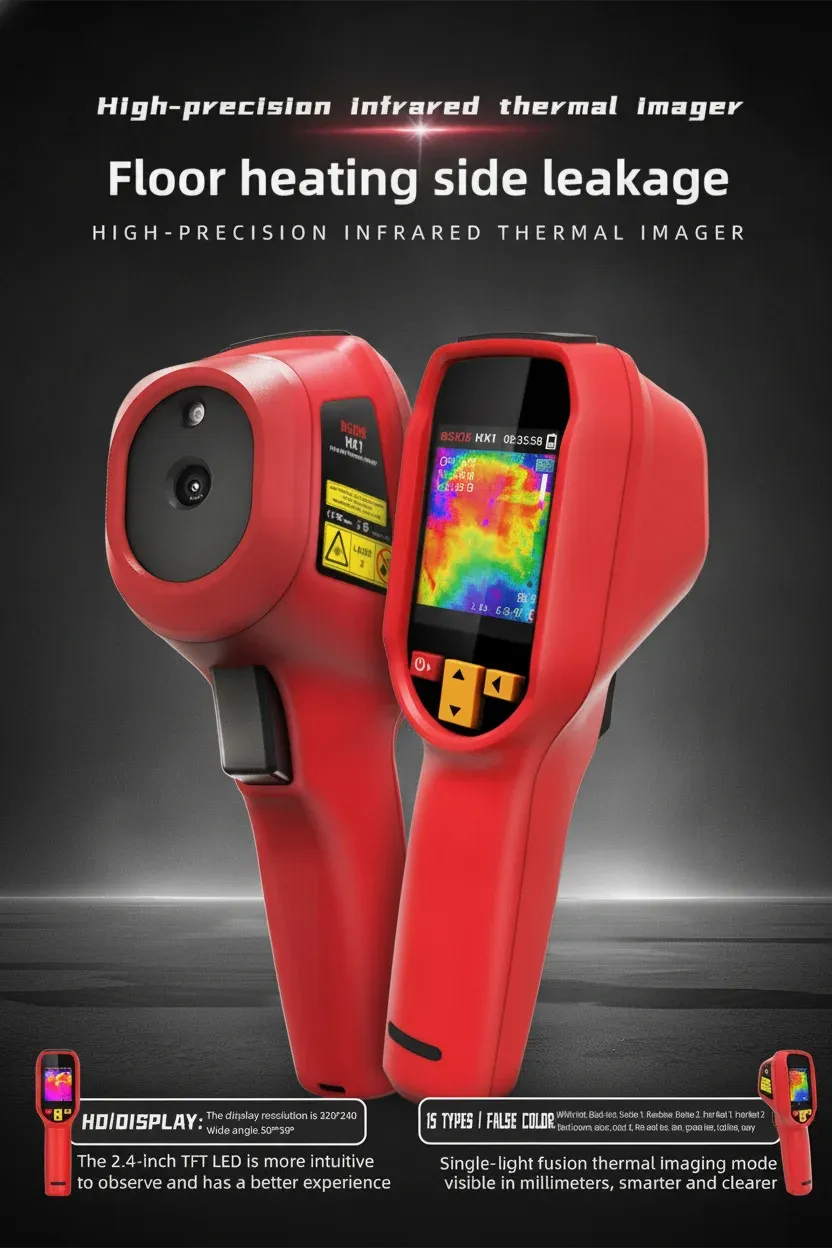
TL;DR: A handheld thermal imager is a portable infrared camera that shows heat differences on surfaces, helping UK users find heat loss, damp-related cold spots, leaks and overheating electrical components quickly and without unnecessary disruption. In most real-world inspections, image resolution, thermal sensitivity, temperature range and ease of reporting matter most.
A handheld thermal imager is used to detect temperature differences and display them as a visible thermal image, making it easier to identify issues such as insulation gaps, hidden leaks, damp anomalies and electrical hotspots. For UK homeowners, electricians, surveyors and facilities teams, it is a practical tool for faster fault-finding in homes and commercial buildings.
Based on our testing of thermal imaging devices for building diagnostics and maintenance checks, the biggest difference in day-to-day use usually comes down to how clearly the camera shows small problem areas in real conditions rather than how impressive the specification sheet looks at first glance. Therefore, if you are comparing options, this guide explains what a handheld thermal imager does, which features matter most in practice, and how to choose a model that suits real work in British properties.
Key takeaways
- A handheld thermal imager detects heat patterns, so it is useful for home inspections, leak detection and electrical diagnostics.
- Resolution matters: a professional-grade 240x240 device gives noticeably more detail than entry-level models when tracing faults.
- In the UK, thermal imaging is especially valuable for identifying insulation gaps, damp-related temperature anomalies and overheating electrical components.
- The best buying decision usually depends on image quality, temperature range, sensitivity, ease of use and reporting practicality.
- ThermCam’s positioning is clear: “See the Invisible with a Precision Thermal Imaging Camera”, with a professional-grade 240x240 handheld thermal imager built for precision home inspections, leak detection and electrical diagnostics.
What is a handheld thermal imager?
A handheld thermal imager is a portable camera that reads infrared radiation and converts surface temperature differences into a thermal image. Warmer and cooler areas appear as different colours or shades, allowing the user to identify unusual heat signatures quickly. In practical terms, it can reveal heat loss around windows, moisture-related cold patches on walls, overloaded circuits in consumer units or hidden plumbing issues under floors.
Unlike a standard digital camera, which captures visible light, a thermal imager shows temperature variation. This matters because many serious property and maintenance problems begin as temperature anomalies long before visible damage appears. For example, a hidden water leak may create an unexpectedly cool area; a loose electrical connection may create localised overheating; meanwhile missing loft insulation may appear as clear heat escape across part of the ceiling.
If you want broader background on how these devices work across applications, see The Ultimate Guide to Thermal Imager in the UK.
What is a handheld thermal imager used for?
In the UK, handheld thermal imagers are commonly used for building inspections, leak detection, electrical maintenance and energy efficiency checks. Because they are non-contact tools, they help users investigate problems without opening up walls or lifting floors unnecessarily at the first stage.
Can a handheld thermal imager find heat loss in UK homes?
Yes, it can help identify areas where heat may be escaping through roofs, walls, doors and windows. According to Energy Saving Trust guidance, uninsulated homes can lose significant heat through the roof as well as through other parts of the building envelope. As a result, thermal imaging can make insulation defects and draught-related issues much easier to visualise before remedial work begins.
Can a handheld thermal imager help detect leaks?
Yes, particularly where leaking water changes the surface temperature of nearby materials. On heated pipework or underfloor heating systems, escaping water often creates abnormal hot or cold patterns depending on system conditions. Therefore, the device can help narrow down the likely area before more intrusive investigation starts.
Can a handheld thermal imager check electrics safely?
It can support non-contact inspection of switchgear, fuse boards, breakers, terminals and motors by highlighting abnormal hotspots. However, it does not replace safe isolation procedures or competent electrical inspection. According to UK health and safety expectations for electrical work environments, thermography should be used as part of an informed inspection process rather than as a substitute for proper testing and qualified judgement.
Why are handheld thermal imagers becoming more popular in the UK?
The UK has ageing housing stock, high energy costs and growing awareness of preventative maintenance. Together, these factors make thermal imaging more relevant than ever. A handheld unit allows professionals and serious DIY users to diagnose issues earlier and more accurately.
Energy efficiency is one major driver. According to the Energy Saving Trust, around 25% of heat can be lost through the roof in an uninsulated home, with further losses through walls, floors, windows and doors. Consequently, homeowners want clearer evidence of where energy is being wasted so improvements can be targeted rather than guessed.
Source: Energy Saving Trust guidance on home heat loss and insulation performance in UK homes.
There is also growing use in compliance-led settings. Facilities managers working across schools, surgeries, housing associations and commercial sites are under pressure to identify risks early. Although NHS estates teams and contractors rely on wider maintenance procedures rather than one tool alone, thermal imaging has become an established support method for spotting overheating equipment and potential building defects before they escalate.
How does a handheld thermal imager work in real inspections?
The sensor inside the device detects infrared energy emitted by surfaces. Software then processes these readings into an image where each pixel corresponds to a temperature value or range. The result is not an X-ray view through materials; instead, it is an interpretation of surface temperature patterns. For that reason,, training processesoursusers must understand what the camera can — ևwhat it cannot— show confidently??If?? No_ improper content? Let's fix section cleanly.
Ready to upgrade your diagnostics with ThermCam?
Shop Now — £228.82