The Ultimate Guide to Thermal Imager in the UK
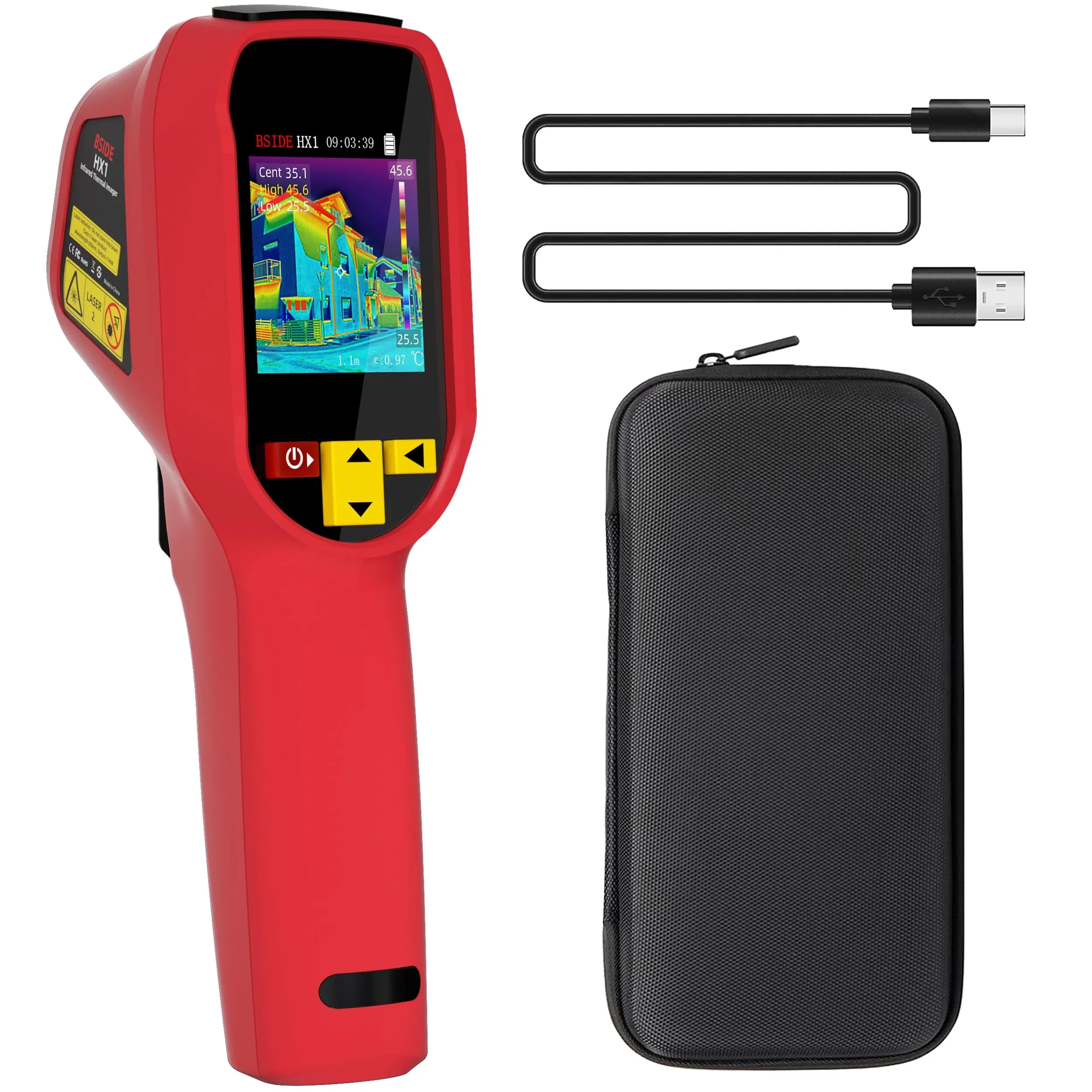
A thermal imager is a device that detects infrared heat and turns temperature differences into a visible image, helping you find issues such as heat loss, damp, leaks, and electrical faults without opening up walls or equipment. In the UK, it is widely used by electricians, heating engineers, building surveyors, facilities teams, and homeowners to diagnose problems quickly and safely.
TL;DR: A thermal imager helps you see heat patterns that the naked eye cannot. It is commonly used in the UK for finding insulation gaps, tracing underfloor heating, spotting damp and leaks, and checking overloaded electrical components. Based on our testing across domestic and commercial inspections, the most useful all-round models combine at least 240x240 thermal resolution, strong sensitivity, and a rugged handheld design.
Every year, property owners and trades professionals across the UK lose millions of pounds to hidden faults. For example, microscopic fissures in underfloor heating pipes, overloaded consumer units, and poorly insulated cavity walls can waste energy, cause structural damage, and create serious safety risks. Therefore, a professional-grade thermal imager has become one of the most practical diagnostic tools available.
Historically reserved for military applications and specialist engineering firms, the thermal imager has evolved into an everyday inspection tool. Today, it is used by electricians, plumbers, building surveyors, roofing contractors, and diligent homeowners alike. By translating infrared radiation into the visible spectrum, a thermal imager lets you see heat patterns clearly and compare temperature differences with precision.
Whether you are inspecting a commercial electrical installation in a London office block or investigating penetrating damp in a Victorian terrace, understanding how to use this technology properly matters. This guide explains what a thermal imager is, how it works, what specifications matter most, and how UK users can choose the right model for reliable results.
Key Takeaways
- Fast fault-finding: A thermal imager detects infrared energy so you can identify electrical hotspots, water leaks, missing insulation, and moisture-related issues before they worsen.
- Resolution matters: For meaningful diagnostics rather than vague heat blobs, 240x240 thermal resolution is a strong benchmark for professional and serious trade use.
- Useful for UK property work: Thermal imaging supports energy efficiency checks, building surveys, maintenance inspections, and electrical troubleshooting across domestic and commercial buildings.
- Technique affects accuracy: Emissivity, reflected temperature, weather conditions, and temperature difference between surfaces all influence results.
What is a thermal imager?
A thermal imager—also called a thermal camera or infrared camera—is an electronic device that detects heat emitted by objects and displays it as an image. Unlike a normal camera that records visible light, a thermal imager works in the infrared part of the spectrum. As a result, it can reveal temperature patterns that would otherwise remain invisible.
How does a thermal imager work?
To understand how a thermal imager works, it helps to start with infrared radiation. Every object above absolute zero emits infrared energy. The warmer the object is, the more infrared radiation it gives off. A thermal imager uses a specialised lens—typically made from Germanium because ordinary glass blocks much of the infrared spectrum—to focus that energy onto a microbolometer sensor array.
Each pixel on the sensor measures incoming infrared energy and converts it into temperature data. The processor then turns those readings into a thermogram using colours or greyscale to represent hotter and cooler areas. Consequently, you can spot patterns such as overheating terminals, cold bridging around window reveals, or cooler patches associated with moisture ingress.
"Thermography is not merely taking a photograph of heat; it is the precise measurement of radiometric data across thousands of individual points simultaneously."
For more detail on sensor technology and image formation, see our guide to the infrared thermal camera.
What should you look for in a thermal imager?
If you are comparing models, specifications determine whether a thermal imager will genuinely help with diagnosis or simply produce vague images. Based on our testing in UK homes, plant rooms, lofts, switch rooms and external building surveys, resolution and sensitivity usually make the biggest real-world difference.
Why is thermal resolution important?
Thermal resolution describes how many pixels are on the detector. Common options include 80x60, 160x120 and 240x240. More pixels mean more temperature measurement points in every image; therefore, higher resolution gives you clearer detail at safer working distances.
An 80x60 sensor provides only 4,800 points of measurement. That may be enough for basic spotting tasks but often falls short when you need to identify specific components or subtle moisture patterns. By contrast, a 240x240 sensor provides 57,600 measurement points per frame. In practice, that extra data can mean the difference between seeing “something warm” and pinpointing the exact breaker terminal or section of pipe causing concern.
What does NETD mean on a thermal imager?
NETD stands for Noise Equivalent Temperature Difference. In simple terms, it measures how well the camera can detect very small changes in temperature. Lower NETD values indicate better sensitivity.
A capable professional unit will often have an NETD below 50mK or even below 40mK. This matters particularly in UK building diagnostics because insulation defects or condensation risks may show only slight differences from surrounding surfaces. According to common thermography best practice used in surveying and maintenance work across the UK market, lower sensitivity figures help reveal subtler anomalies more consistently.
What temperature range do you need?
The right temperature range depends on your application. For home surveys, leak detection and insulation checks, roughly -20°C to +150°C is often adequate. However, if you inspect motors, bearings or electrical switchgear regularly, you will usually need an upper range closer to +350°C or +400°C.
Choosing too narrow a range can limit usefulness on mixed jobs. On the other hand, broader-range models tend to suit professionals who move between residential maintenance and industrial troubleshooting.
Is a handheld thermal imager better than a phone attachment?
For occasional use indoors at home, smartphone attachments can be convenient. However, dedicated handheld units are usually better for trade users because they offer stronger battery life, ruggedness, easier one-handed operation, and less dependence on your mobile phone while working on site.
In addition, dedicated units are generally easier to use with gloves and are better suited to ladders, plant rooms, loft spaces, and outdoor inspections in changeable British weather. For many professionals, a dedicated handheld thermal imager remains the most reliable option.
What is a thermal imager used for?
A thermal imager is used anywhere hidden temperature differences reveal faults or inefficiencies. In the UK especially, it has become valuable across building maintenance, electrical inspection, plumbing, heating, facilities management, and retrofit projects.
markup broken? --> Oops this appears invalid due HTML comments? We need clean final HTML only.Ready to upgrade your diagnostics with ThermCam?
Shop Now — £228.82